
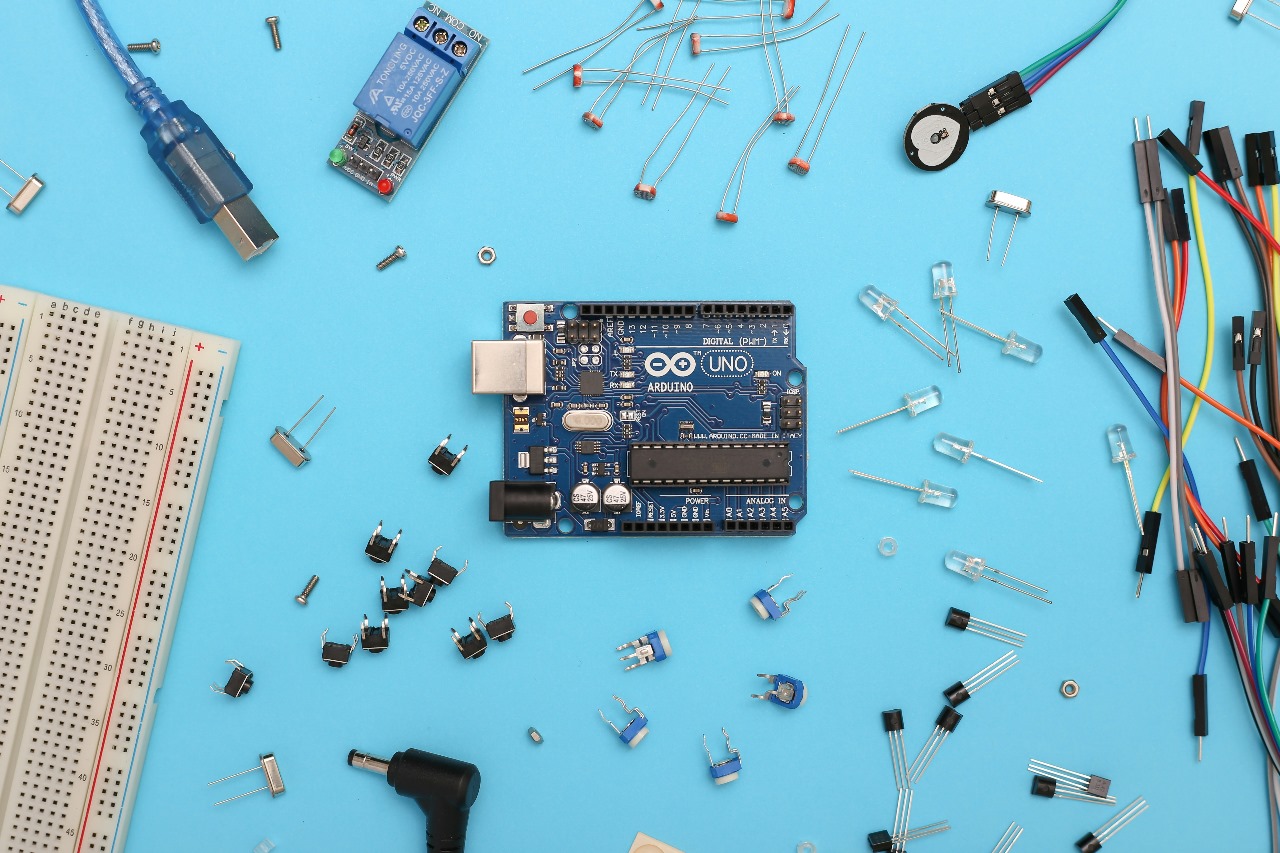
Top Electronic Components Powering Next-Gen Devices in 2025
The electronics landscape is undergoing a rapid transformation, driven by advancements in semiconductor efficiency, AI integration, IoT adoption, and miniaturization. As industries push toward smarter and more connected devices, the demand for reliable, high-performance electronic components continues to surge across East Asia.
This article highlights the most impactful components shaping next-generation hardware and how manufacturers, engineers, and procurement teams can stay ahead of the innovation curve.
1. Advanced Semiconductors: The Heart of Modern Electronics
Semiconductors remain the backbone of all digital innovation. With the emergence of edge AI, 5G, and high-density computing, today’s semiconductor designs focus on:
- Smaller nanometer architectures
- Higher thermal stability
- Greater processing efficiency
- Lower power consumption
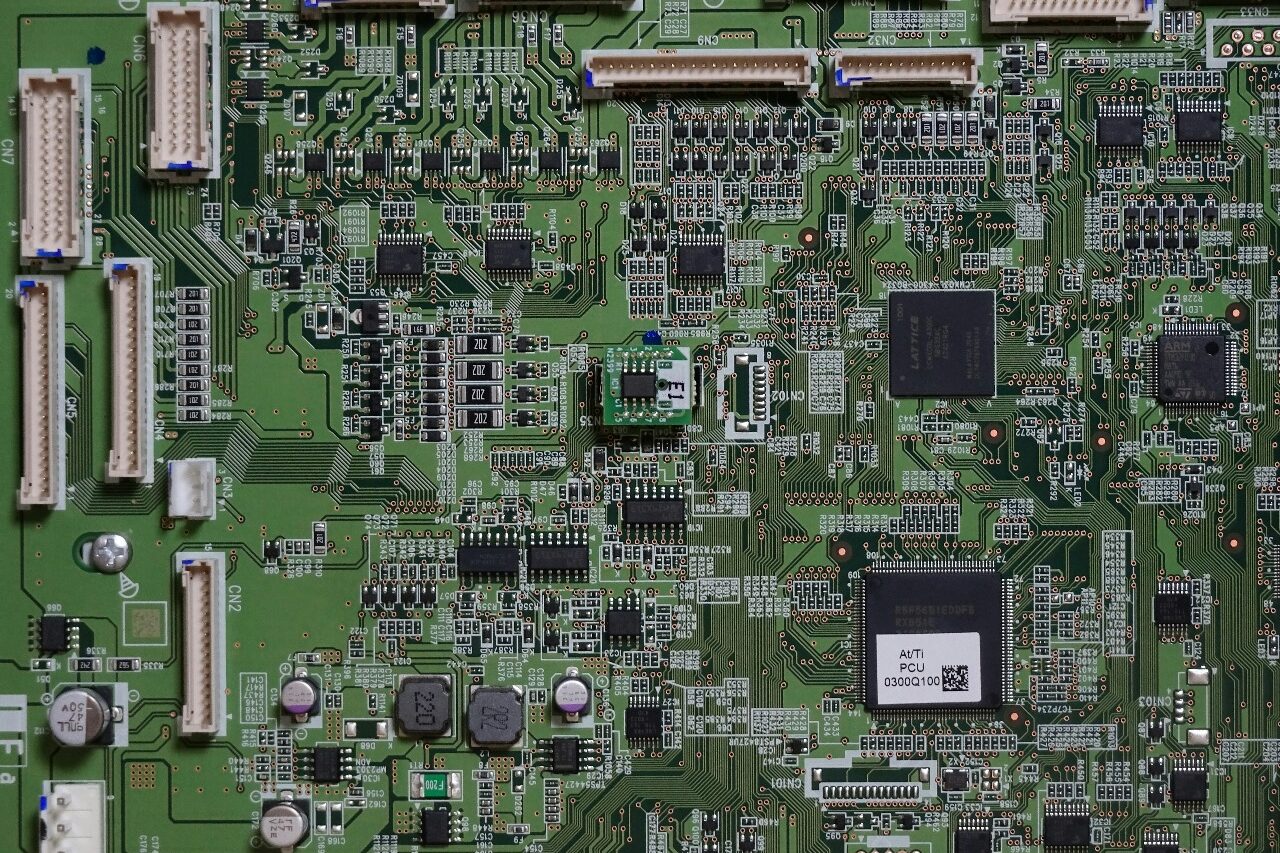
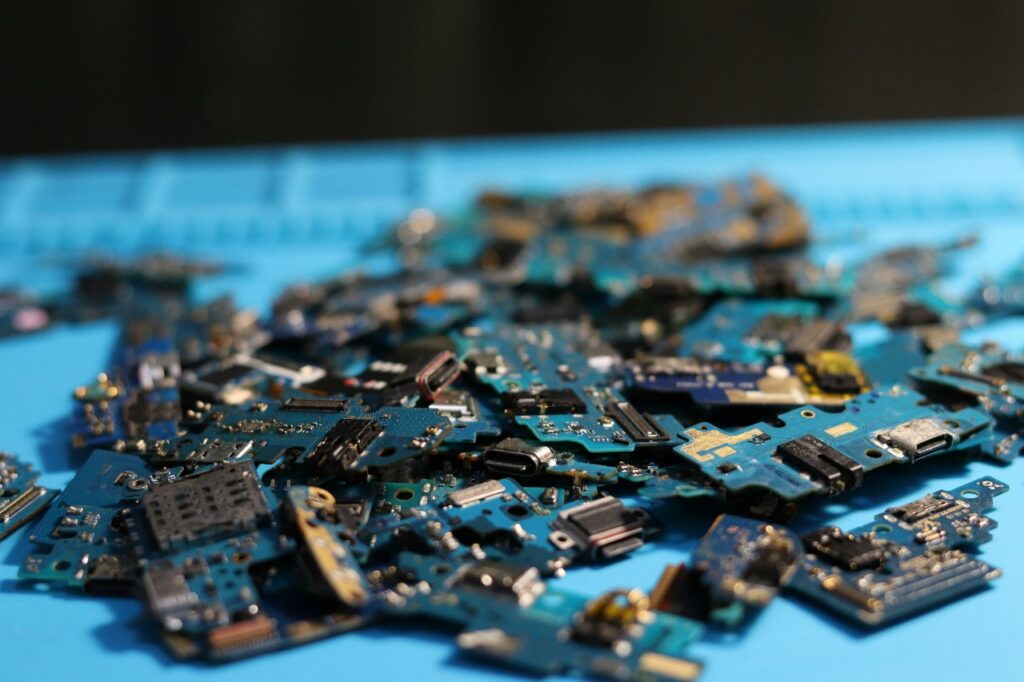
From industrial automation to consumer devices, advanced semiconductors are enabling faster and smarter operations across every vertical.
2. MLCCs: Driving Miniaturization Without Compromising Output
Multilayer Ceramic Capacitors (MLCCs) continue to dominate PCB designs due to their compact size and reliability. Demand is especially strong in:
- Smartphones
- Automotive ECUs
- IoT sensors
- Wearables
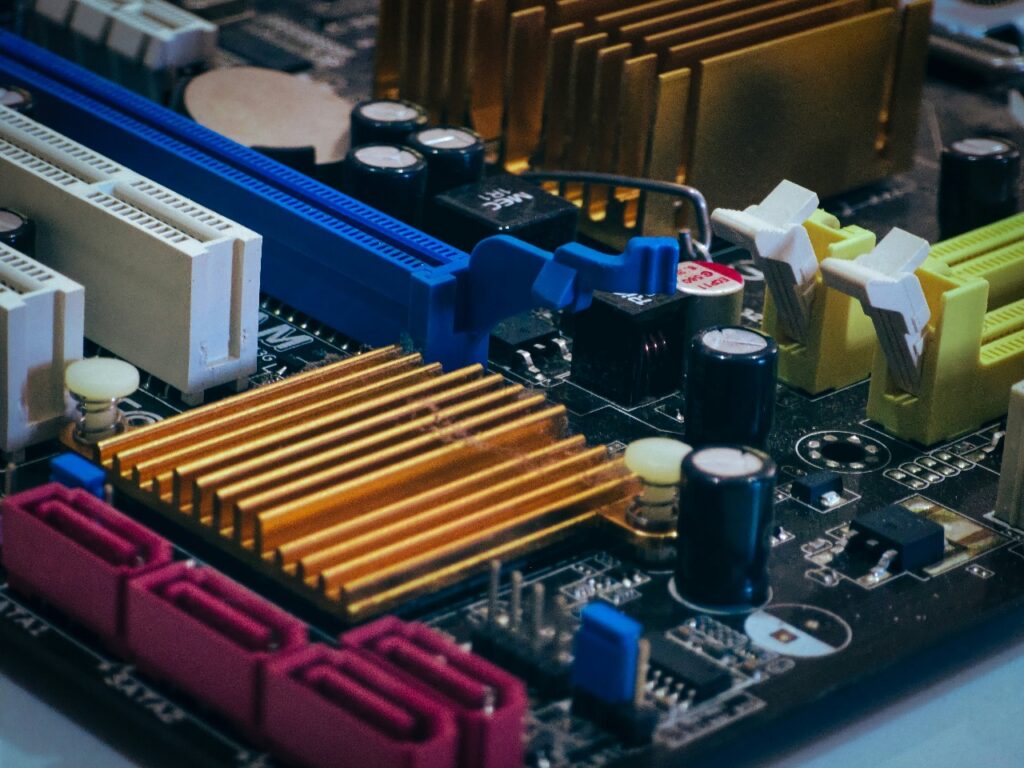
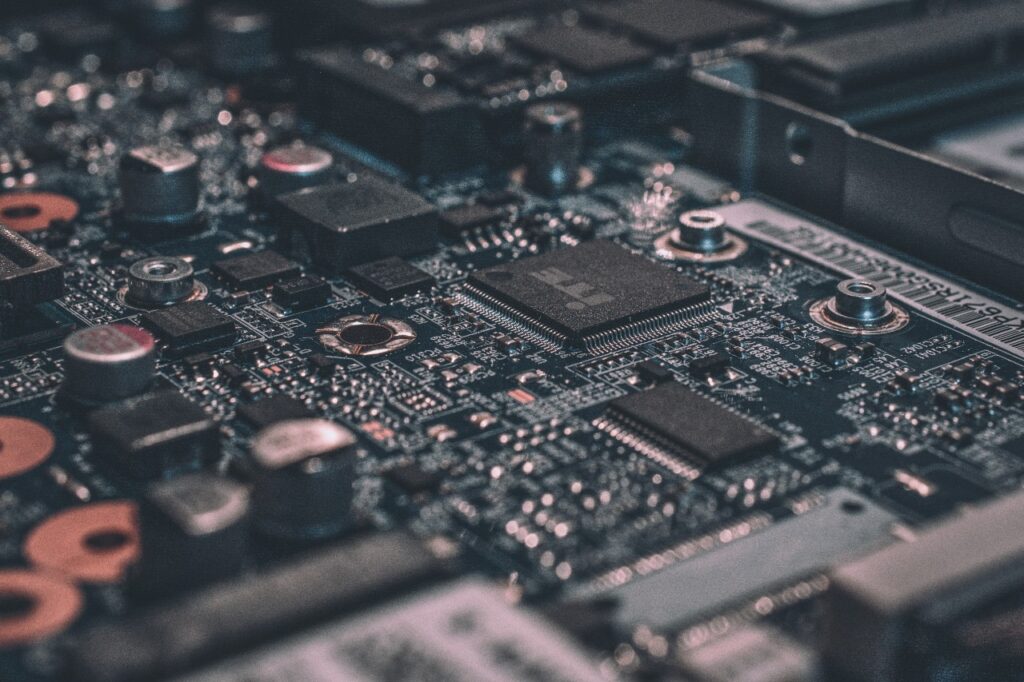
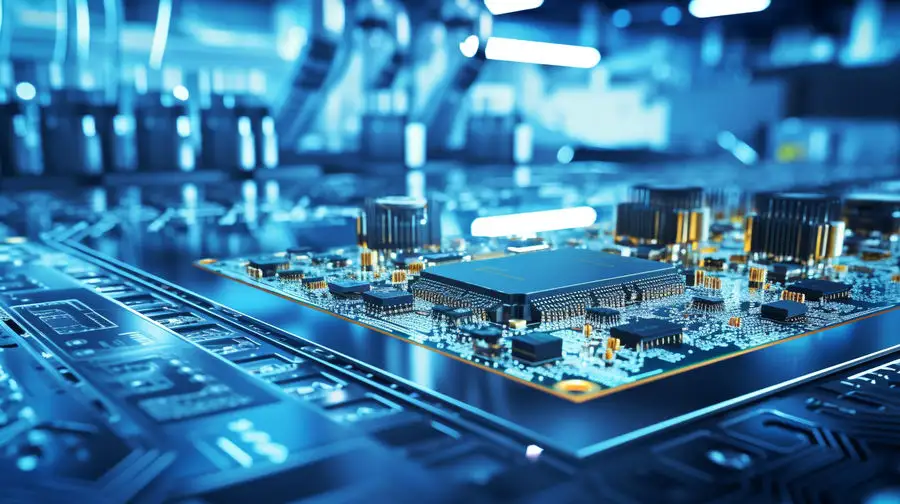
High-capacitance and low-ESR MLCCs ensure stable power distribution, making them indispensable for modern compact electronics.
3. Power MOSFETs: Ensuring Efficient Power Management
Power MOSFETs are a critical component for energy-efficient systems. Their ability to minimize heat loss and enable high-speed switching makes them essential in:
- Battery-management systems
- Motor controllers
- Power-supply units
- Renewable-energy electronics
With rising energy-efficiency regulations, power MOSFET demand across East Asia is accelerating.
4. Microcontrollers (MCUs): Powering Smart and Autonomous Devices
Whether in smart home systems or industrial machines, MCUs serve as the decision-making core for embedded devices. Trends include:
- AI-capable MCUs
- Low-power architectures
- High-security modules
Their versatility positions them as a central driver for IoT expansion.
5. Sensors: Expanding Device Intelligence
From environmental monitoring to motion detection, sensors are shaping intelligent ecosystems. Key sensor segments with rising demand:
- Temperature and humidity sensors
- Proximity sensors
- Pressure sensors
- Image and optical sensors
Sensor innovation directly correlates with the growth of automotive, healthcare, and industrial automation.
Conclusion
The future of electronics depends on a seamless integration of high-efficiency components that deliver performance, reliability, and scalability. As East Asia continues to lead global electronics manufacturing, businesses must prioritize sourcing top-tier components to stay competitive.
T-Circles is committed to empowering engineers, manufacturers, and procurement teams with access to high-quality components and actionable insights shaping the future of electronics.