

Semiconductor Supply Chain Trends Driving Market Dynamics in East Asia
The electronics component ecosystem in East Asia is entering a high-velocity transformation cycle. Accelerated technological adoption, regional capacity expansion, and geopolitical realignments are creating new supply-demand patterns for semiconductors, passive components, and specialized modules. As procurement leaders and engineering teams navigate this evolving environment, market intelligence becomes a strategic differentiator.
1. Demand Surge Driven by AI, EV, and IoT
East Asia continues to lead global semiconductor consumption due to the rapid scale-up of AI data centers, electric vehicles, industrial automation, and consumer IoT. China and Singapore have seen double-digit growth in component imports, creating pressure on upstream production.

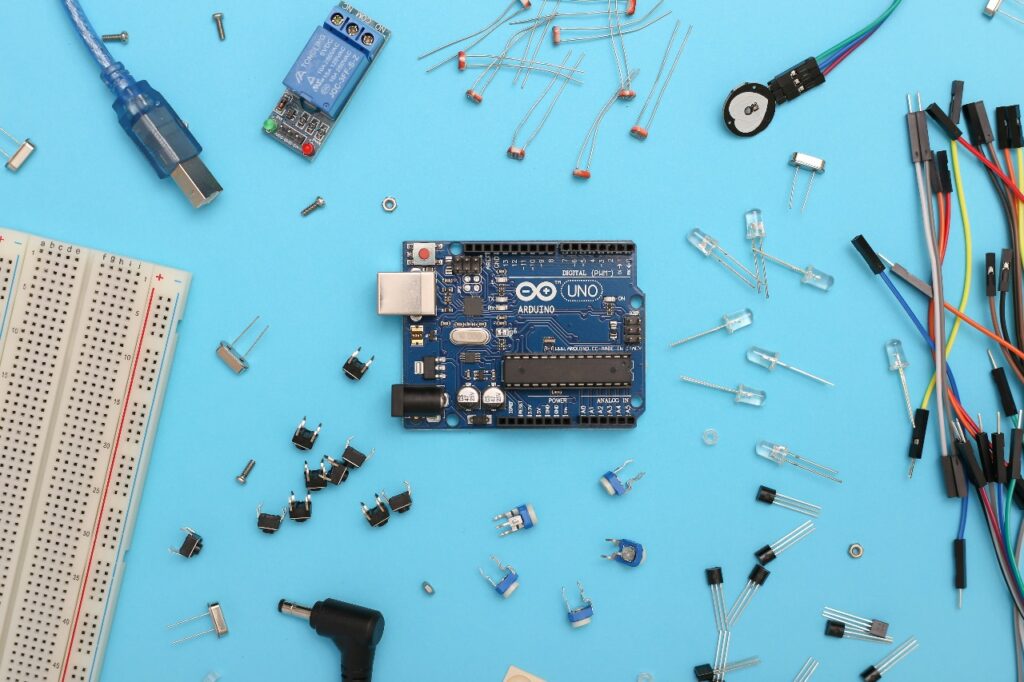
Key drivers:
- Advanced computing workloads
- Increased MCU and power IC demand
- Miniaturized sensor integration
- High-density passive components for compact designs
2. Geopolitical Constraints Shaping Sourcing Strategies
Trade restrictions, export controls, and cross-border policy changes are forcing OEMs and procurement teams to diversify sourcing channels. Manufacturers in Hong Kong and Singapore are increasingly leveraging multi-country supplier networks to mitigate risk.



Strategic implications:
- Broader supplier qualification pipelines
- Higher emphasis on supply chain transparency
- Shift toward regional buffer stocking
3. Pricing Volatility Across Core Components
MLCCs, MOSFETs, and memory modules are experiencing pricing fluctuations due to raw material costs and uneven production cycles across East Asian fabs.
Current patterns:
- Power semiconductors remain in constrained supply
- Capacitors and resistors show moderate stabilization
- Memory ICs track with cloud and server expansion cycles
4. Fast-Lane Growth of Independent Distributors
With OEMs and SMB manufacturers demanding faster turnaround, independent distributors in East Asia are expanding footprints across China, Malaysia, and Hong Kong. Their ability to deliver real-time availability, alternative sourcing options, and lifecycle insights positions them as key supply chain partners.
5. Forward-Looking Outlook
The next 18–24 months will reshape the electronic components market with:
- Increased wafer capacity in mainland China
- Growth of emerging packaging technologies
- Acceleration of supply chain digitization
- Higher demand for verified component provenance
For businesses navigating these shifts, proactive procurement, real-time market monitoring, and multi-region supplier diversification will be central to maintaining operational agility.